
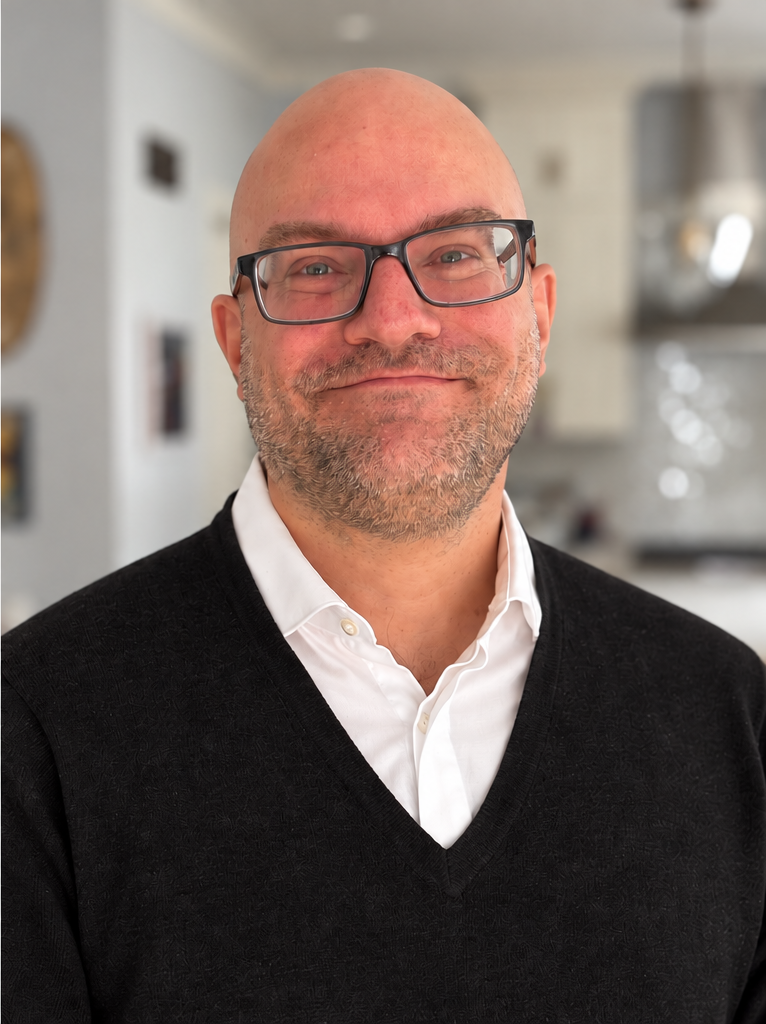
About Jeff
I’ve spent my career helping organizations figure out what to say, when to say it — and, increasingly, what to do before there’s anything to say.
I’ve worked in communications for more than 25 years, but the work I do today is broader than where I started. I’m often brought in before there’s a press release to write, a reporter to call or even a decision that’s been made.
Usually, the first question I ask is pretty simple: What are you actually trying to accomplish?
From there, we can figure out which audiences matter, what they need to understand, how best to reach them and where communications can help. Sometimes that leads to a media strategy. Sometimes it means helping an executive think through a difficult decision, sharpen a position or anticipate how employees, customers, investors, partners or the public might respond. Often, it’s some combination of those things.
That’s the part of the work I enjoy most: helping people think before we start communicating.
Experience shapes judgment.
I started my career at the United States Tennis Association, where I learned the fundamentals of communications and media relations while working on the U.S. Open, professional tennis and community tennis programs around the country.
At Edelman, I expanded into sports marketing and sponsorship communications. I helped launch the Prudential Center in Newark, worked on two Super Bowls and gained my first Olympics experience at the 2008 Summer Games in Beijing.
I then spent seven years at Major League Baseball, working across the business at a time of significant change in both sports and media. I helped launch MLB Network, was part of the team that created and built the MLB Fan Cave, worked closely with the league’s business partners and helped the organization adapt to the early days of social media and digital communications.
Later, at Finsbury, my work broadened considerably. I advised companies, executives and organizations on corporate reputation, labor issues, investigations, litigation, transactions and other sensitive situations where the communications considerations extended well beyond generating publicity.
Those experiences changed how I think about the job. Good communications counsel isn’t just about explaining a decision after it has been made. At its best, it can help leaders make better decisions in the first place.
How I work now.
I started my own consulting practice in 2020. Since then, I’ve worked directly with CEOs, founders, senior executives and organizations ranging from established global brands and major sports and media companies to startups and nonprofits.
Working independently lets me operate differently from a traditional agency. The person in the first meeting is the person doing the work. Clients get my experience, judgment and relationships directly — not filtered through layers of an account team. When a project requires additional expertise or support, I can bring in people I trust, but I remain directly involved and accountable. Put simply: with me, you’re getting me.
Being independent also gives me the flexibility to choose work I believe is worth doing. Some of the organizations I’ve been proudest to work with are nonprofits and mission-driven organizations whose work I genuinely care about. Not every engagement needs to look the same for it to be meaningful.
Media relations is still an important part of my work, and I’ve spent decades building relationships with journalists and understanding how news organizations work. When it’s the right tool for the job, I’m the one developing the strategy, making the calls and working directly with reporters.
A little more about me.
Long before I thought of communications as a career, I was a sociology major at Swarthmore College and spent most of my college years running The Daily Gazette, a pioneering email-only digital publication that years later merged with the college’s traditional student newspaper. I discovered that I loved writing, editing, asking questions and figuring out how to explain complicated things clearly — even if I eventually realized I didn’t want to be a journalist.
That curiosity has stayed with me. It’s also part of why I enjoy teaching. I’m an adjunct professor at Sacred Heart University’s School of Communication, Media & the Arts, where I spend a lot of time thinking with graduate students about how media, technology and culture are changing — and what that means for the people whose careers are just beginning.
I live in Connecticut with my wife and our two children.