
Experience
A career spent building, changing and figuring things out.
For more than 25 years, I’ve worked with organizations ranging from major global brands and established institutions to startups, emerging businesses and nonprofits.
The names and industries have varied, but I often gravitate to many of the same kinds of assignments: building something that didn’t exist before, helping an organization through change, seeing a communications challenge in a broader business context, and figuring out how to operate when the old playbook no longer applies.
Here are a few of the patterns that have shaped my career.
Building Something New
I’ve always been drawn to the opportunity to help build something when the playbook is still being written.
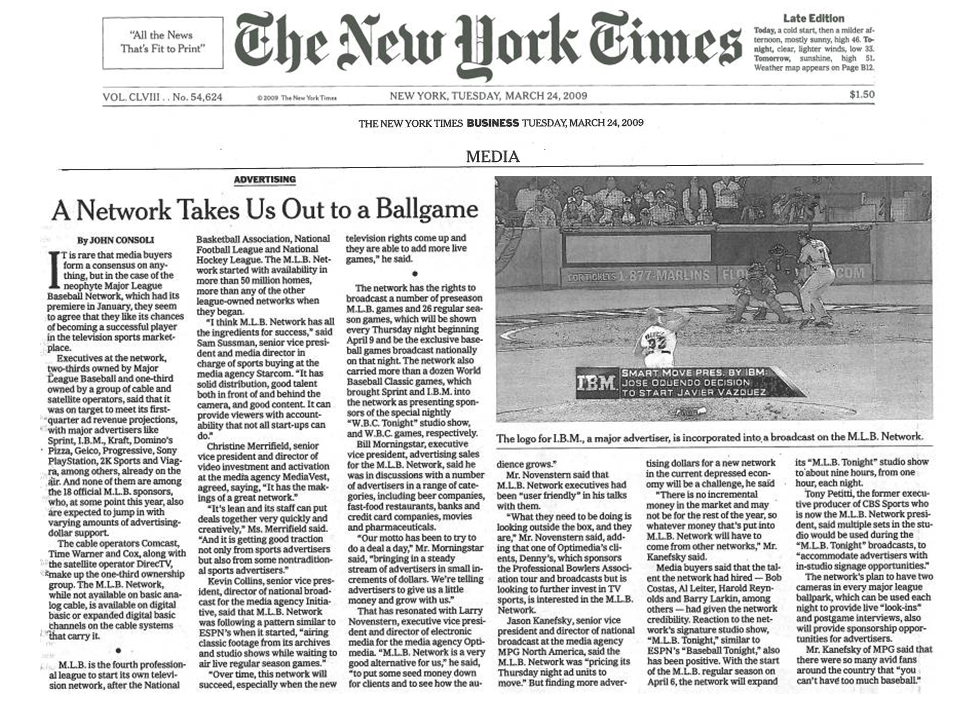
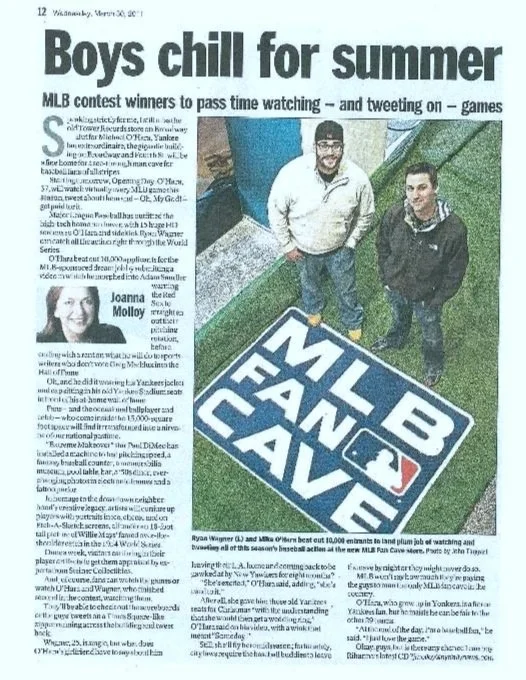
At Major League Baseball, one of my first assignments was helping launch MLB Network in 2009, and I later spent four years as part of the cross-functional team that created and built the MLB Fan Cave in 2011 — an early experiment in bringing together athletes, fans, content, social media and culture in ways that anticipated much of today’s creator economy.
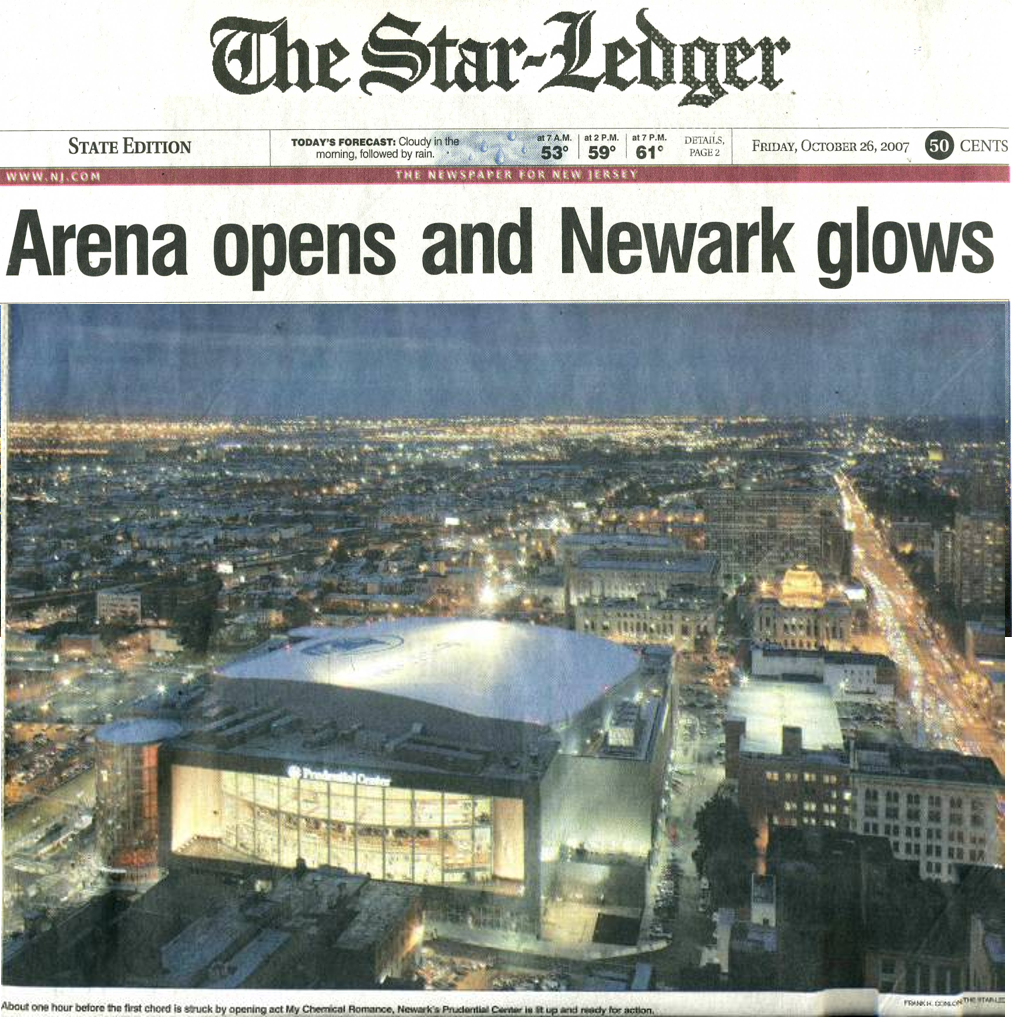
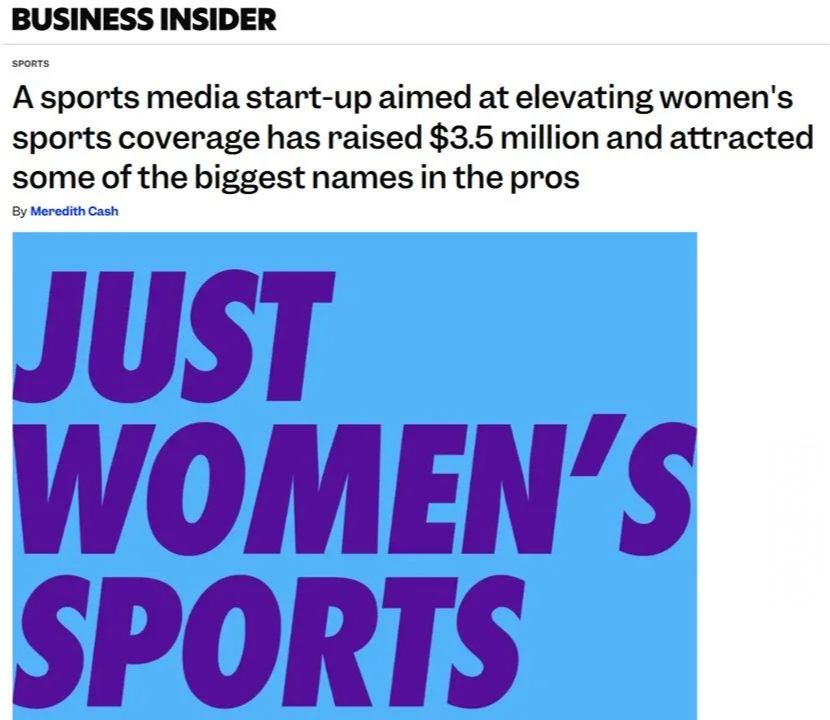
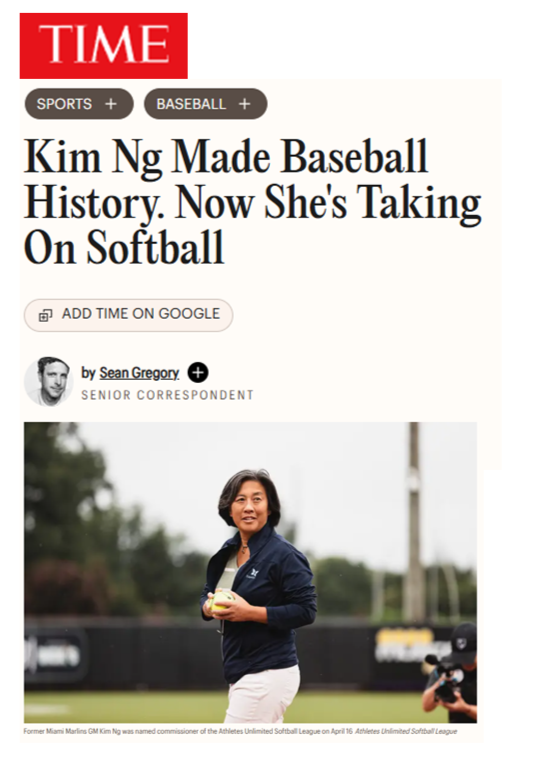
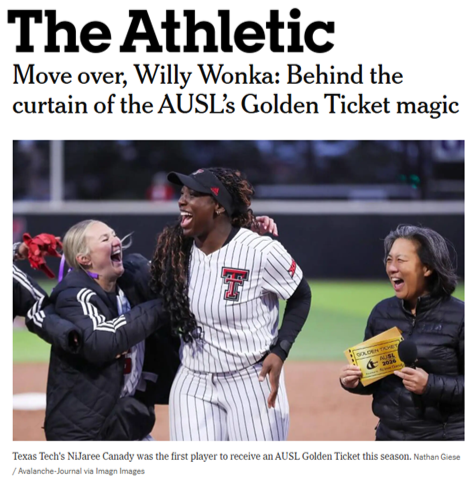
At Edelman, I helped launch Prudential Center in Newark in 2007, beginning when it was an active construction site. I worked with Just Women’s Sports during its early days, including its first round of fundraising in 2021 and communications with investors and venture capital firms. And I’ve worked with Athletes Unlimited since 2022 as the organization has evolved and grown, including the 2025 launch of the Athletes Unlimited Softball League and its emergence as a successful new city-based professional sports league.
Different businesses, different eras, different audiences. The common thread is that there wasn’t an established communications playbook to follow. We had to help write it.
Seeing the Whole Organization
One of the things I learned early in my career is that the obvious communications story isn’t always the most important one.
Prudential Center is a good example. It was an arena and the new home of the New Jersey Devils, but opening it was about much more than hockey. It was also about Newark, economic development, public safety, transportation, government, architecture and public art, concerts and entertainment, and the changing perception of a city. Doing the job well meant understanding all of those constituencies rather than simply pitching sports reporters.
At MLB, my business communications role similarly cut across the organization — marketing, sponsorship, licensing, broadcast partners and other parts of the league’s business. And throughout my independent practice, I’ve often found that the more I understand a client’s business, its people and what it is actually trying to accomplish, the more useful I can be beyond the assignment that originally brought me into the room.
The communications question usually makes more sense once you understand the business question behind it.
Helping Organizations Change
Some of the most interesting communications work happens while an organization is deciding what it wants to become — or adapting to changes happening around it.
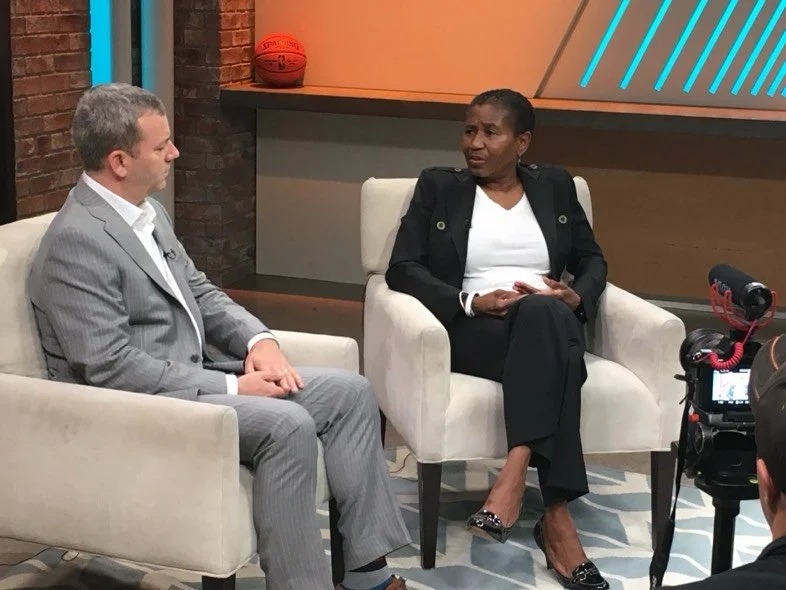
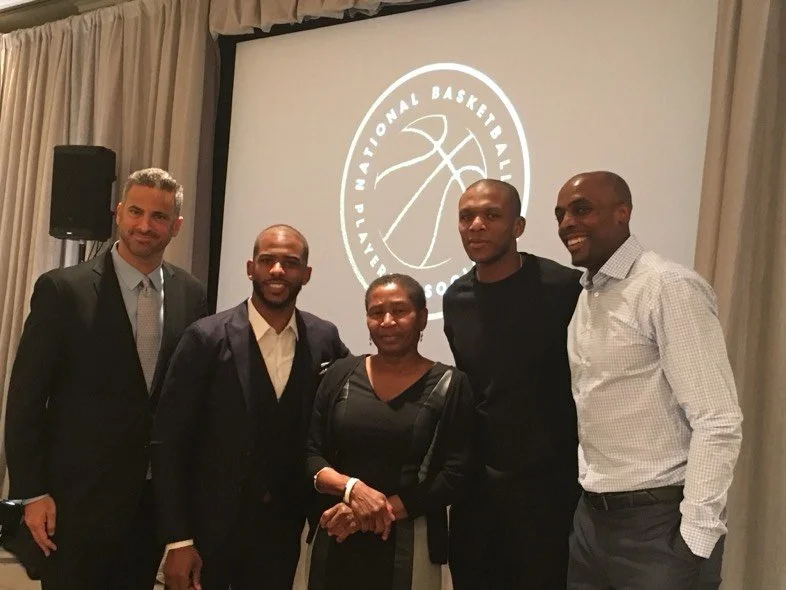
While at Finsbury, I advised the National Basketball Players Association during negotiations for the 2016–17 collective bargaining agreement. The work included thinking through scenarios and communications implications as the union made a significant business decision: reclaiming its group marketing and licensing rights, which ultimately led to the creation of THINK450.
I also worked with DraftKings, FanDuel and the Fantasy Sports Trade Association in 2016, when the rapidly growing daily fantasy sports business faced significant legal and regulatory challenges. More recently, over a five-year relationship with Paramount, I helped executives and teams I worked with adjust their communications strategies and tactics as both the company and the media industry changed around them.
I’ve also advised organizations through leadership transitions, changes in strategy, transactions, restructurings and other moments when different audiences need to understand not only what is changing, but why.
The best time to bring communications counsel into a major change isn’t necessarily when you’re ready to announce it. It’s while you’re still figuring out what to do.
Working Where the Business Is Changing
I’ve been fortunate to spend much of my career in parts of sports and media where the business itself was being reinvented.
The MLB Fan Cave was conceived as social media was changing the relationship between leagues, players, fans and traditional media. I worked with Just Women’s Sports in its earliest stages and today work with Athletes Unlimited and the AUSL as women’s sports has entered an entirely different era of audience interest, investment and commercial opportunity.
My work with Meadowlark Media and Blue Duck Media has given me another perspective on a media business being reshaped by talent, creators, new platforms, changing distribution models and evolving relationships between media companies and their audiences.
Experience is useful because you’ve seen things before. It becomes a liability if it convinces you that the way things worked before is the way they have to work now.
When the Goal Isn’t Publicity
I’ve spent much of my career working with journalists, but communications isn’t always about generating attention. Sometimes the objective is exactly the opposite.
I’ve worked with organizations where the priority was keeping teams aligned across different businesses and geographies, helping communications leaders operate under intense pressure, anticipating where scrutiny might come from and making deliberate decisions about when to engage — and when not to. In other situations, the most important audiences have been employees, partners, investors or other stakeholders rather than the media.
More attention isn’t always better. The goal is to understand what the organization is actually trying to accomplish and communicate accordingly.
When Discretion Matters
Some of the most consequential work I’ve done will never appear in a portfolio.
I’ve advised companies, executives and organizations through investigations, litigation, labor negotiations, regulatory issues, leadership matters and other sensitive situations. That work has often meant operating alongside lawyers and other advisors, working with incomplete information, considering multiple scenarios and helping leaders understand how a decision may be received before they make it.
Sensitive situations also have a human dimension. Executives and communications leaders working under intense pressure sometimes need a sounding board — someone who can listen, ask the right questions, provide perspective and help them think clearly about what comes next.
Those assignments rarely produce a case study — and they shouldn’t. They require discretion and sound judgment. Sometimes the most important work happens entirely behind the scenes.



Work Worth Doing
One of the things I value most about working independently is having the flexibility to make room for work I genuinely care about.
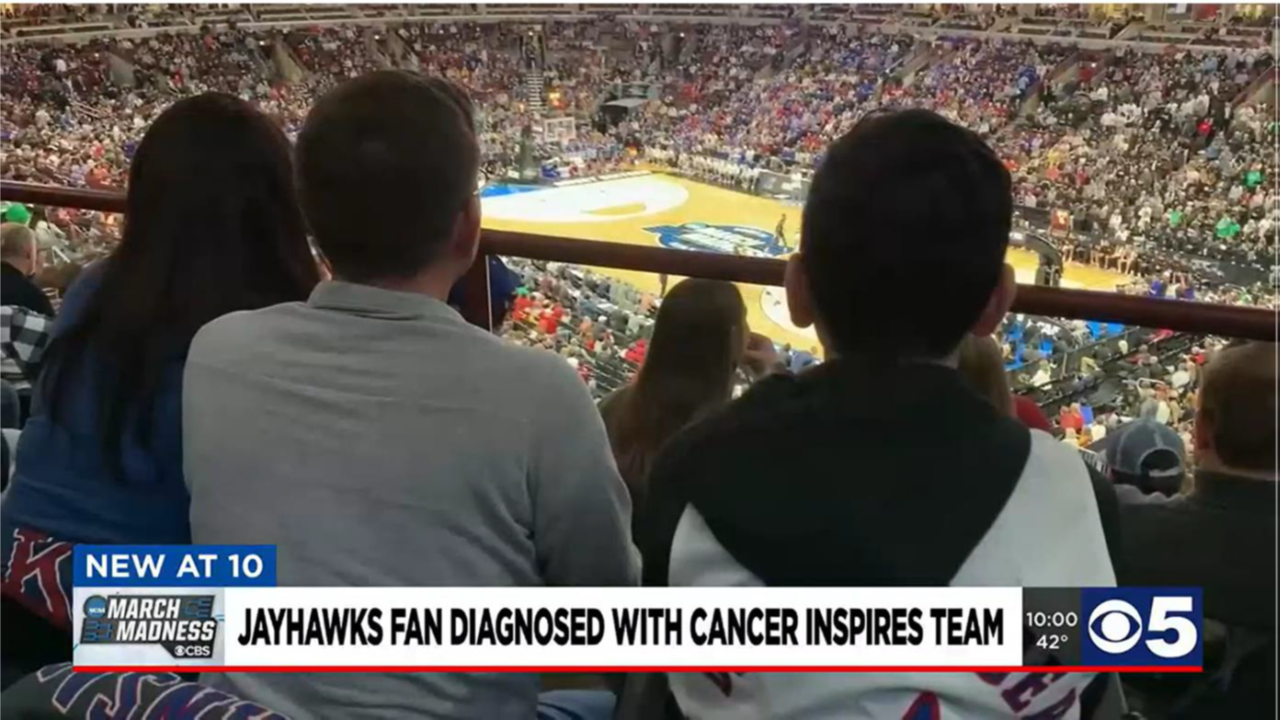
That has included supporting youth media literacy education, working with the Gold Foundation on its mission to advance humanism in healthcare, and helping Team IMPACT connect children facing serious illness and disability with college athletic teams. These aren’t always the biggest engagements I take on, but they’ve been some of the most rewarding.